The end of 2024 wasn’t a particularly happy time for me. I ultimately had to cancel my annual Tokyo trip due to health issues. I had lost so much weight that I would have been considered normal weight even by Japanese standards. Not a good sign – even when I was young and fit, I was rated メタボ – metabo. Fortunately, 2025 treated me better and I was able to travel again.

Mister Donut or just ミスド (“misudo”) sells Pokemon donuts. Gotta catch ‘em all!
Tokyo was still the same city I love. CoCo Ichi remains as my favourite curry, Misudo donuts are delicious as ever and Doutor’s Italian sandwiches are still my go-to choice. It was good to be back. And yeah, the trains were as annoyingly crowded as ever.
On my previous visit, I had come to the realisation that old age has quietly transformed me into a museums person. This time, I intended to embrace it fully. Unfortunately destiny stepped in as usual. That one library museum I missed last time due to being closed? Closed again, this time until late January. An aviation museum I was particularly excited about? Closed until March 2027! A scenic observation spot I had found for a perfect Tokyo skyline photo? Closed until the end of 2027!!! At that point, Japan wasn’t just saying no to me; it was making me schedule calendar reminders. The trip even started with a flight that was delayed by seven hours!
Fortunately, we live in the future, and our benevolent AI overlords came to the rescue. With a little help from generative AI, I found new destinations to explore: a bonsai museum, a railway museum in Saitama, and other spots previously unknown to me. Problem solved. Enthusiasm restored.
Thinking that this little piece of Heaven costs less than Mega-ateria in Hesburger makes me cry.
While I was in Japan, headlines back home were dominated by a racism scandal that started with mocking Asians by members of the True Finns Party. Usually, outside the Baltic Sea region, people know absolutely nothing about Finland. Japan, however, is an exception. Many people do know. For the first time in my life, I felt genuine shame about being Finnish. The cruelty, small-mindedness, and sheer stupidity of my fellow countrymen made me furious. The attack, in all its senselessness, was personal. On the way home, at Finnair check-in, I stood behind a group of cheerful young women with their Moomin decorations, heading to Lapland to see the Northern Lights. I couldn’t help but wonder why scaring off visitors like them would ever benefit my homeland. It is said that "against stupidity the gods themselves battle in vain."
Japan is experiencing an influx of tourists and immigrants, and with it, also a noticeable rise in nationalistic sentiment. Annual visitor numbers are now almost ten times what they were when I moved there. Popular destinations like Kyoto are filled well past capacity. During the year-end holidays, NHK news showed tourists waiting in line for hours just to see the snow monkeys of Jigokudani.
The trick, however, is simple: step a little off the postcard locations and the crowds evaporate.
We were supposed to visit Tsushima island in 2023, but heavy snowfall forced a last-minute change of plans. This time we tried again – and succeeded! Tsushima is one of those places even many Japanese have never visited, historically among the poorest corners of the country. One might therefore assume this would place it safely beyond the reach of international tourism. Not quite!
I still cannot visit Japan without stopping in Akihabara. Few things in life are as endlessly captivating as wandering electronics stores for hours.
Tsushima is less than a two-hour ferry ride from Busan, South Korea’s second-largest city. On a clear day, you can even see the skyscrapers on the horizon. While the island certainly doesn’t suffer from overtourism, it was still interesting how many visitors there were. Most signs are bilingual, in both Japanese and Korean. I loved the relaxed atmosphere of the archipelago, and it reinforced my own official Japan travel advice: the best parts are outside the big cities, somewhere in the middle of nowhere. For example, we had a small incident with our rental car, and while waiting for help, a local gentleman invited us onto his property to show us his traditionally built stone-roofed house. How nice was that?
Recommending Japan remains effortless. With the yen as weak as it is, I occasionally felt like I was getting away with something. Five euros for a genuinely excellent lunch. In Finland, that won’t even buy you a Hesburger, let alone dignity. I hope that I get to go soon again, but the next time, I’ll be wearing my khaki project manager pants. I’ll identify the museums in advance, verify the opening hours from multiple reliable sources, and plan the schedule for maximum efficiency and minimum cost using a professional project management tool. So macht man das!
Daywalk in Shinjuku. There’s a lot of new development going on there, including rebuild of the station.
I still remember getting desperately lost at Shinjuku station, fresh off the boat, in 2005. Perhaps I’ll get to repeat the experience once the rebuild is complete.
I usually don’t publish videos, but the Shinjuku cat deserves an exception.
As usual, I spent a lot of time just walking around the city.
At Chinzanso Garden.
I went to see a Christmas market in Shiba park in Tokyo. It cost 1000¥ to enter and all you got was the right to buy overpriced German imports. I prefer my local Lidl instead.
Walking around in Shiba, Tokyo.
Merry Christmas 2025!
And no, it’s not Eiffel Tower. Tokyo Tower was built in 1950’s primarily as a broadcast antenna.
Visiting Bonsai Art Museum in Omiya. When I moved to Japan, I thought everyone had their own bonsai tree. I was educated by the Karate Kid franchise.
A bonsai merely 40 years old is a baby. The oldest tree in the museum, ezo-matsu called Todoroki, is estimated to be 1000 years old. A thousand years!
I ended up enjoying the museum much more than I expected. There’s something really fascinating about the art. My own skills are not sufficient to keep even our house plants alive while my wife’s away.
The Railway Museum in Omiya, Saitama, is impressive! It’s a heaven for train enthusiasts.
I love the design of these engines. Beautiful machines.
The design task was given to a gaming PC overclocker.
Visiting the garden of Hotel Chinzanso Tokyo.
Sea of Clouds.
Next stop: international Tsushima Yamaneko Airport.
Yagura-mon of the Kaneishi castle and Ghost of Tsushima in disguise.
Master manipulator at work. This little charmer was running a hustle at the hotel we stayed in. She befriended gullible tourists like me just to sneak inside the hotel.
Not so happy anymore after I called her out.
Banshoin temple in Tsushima.
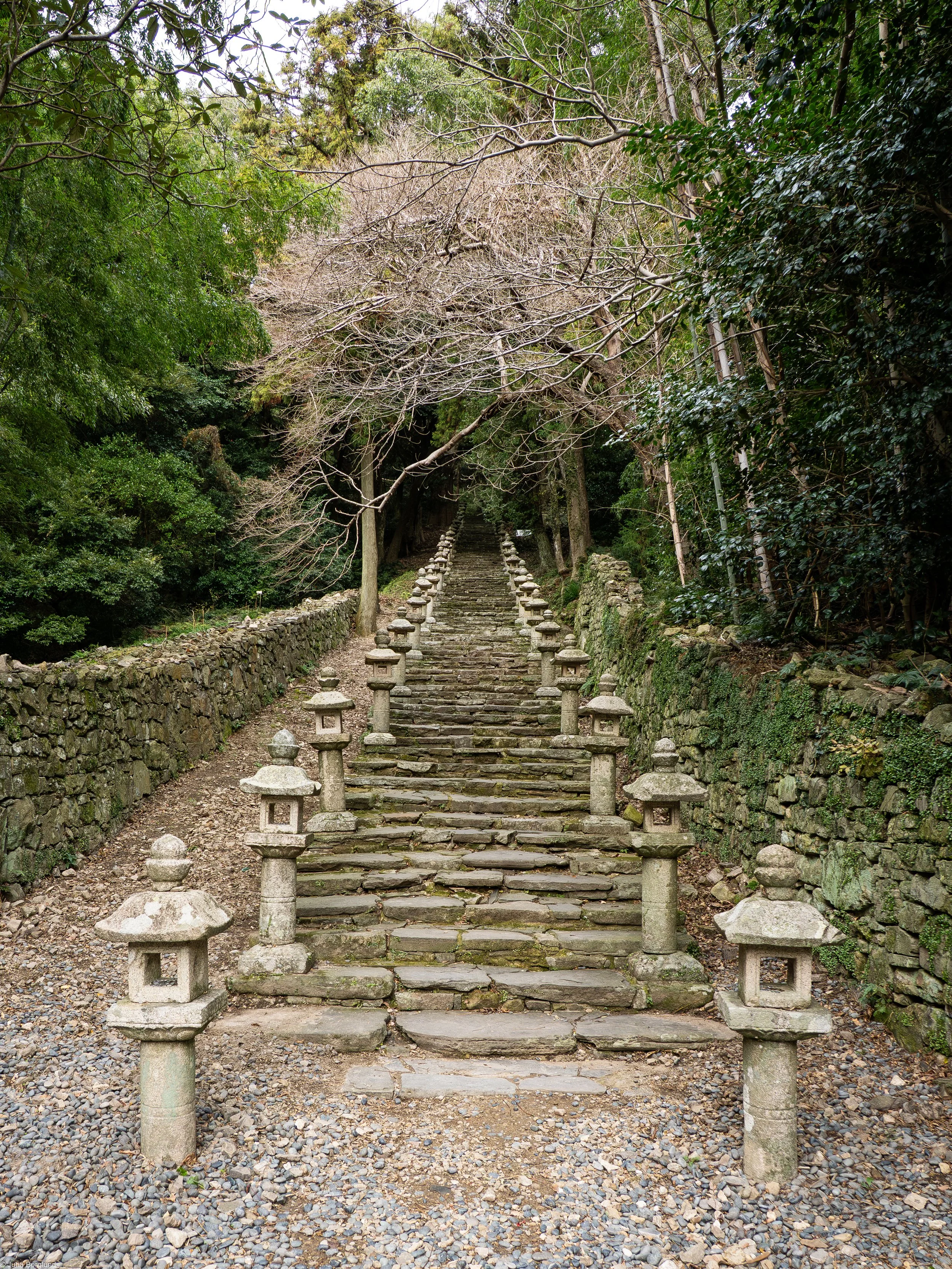
The hyakugangi steps lead up to the Sō clan’s cemetery.
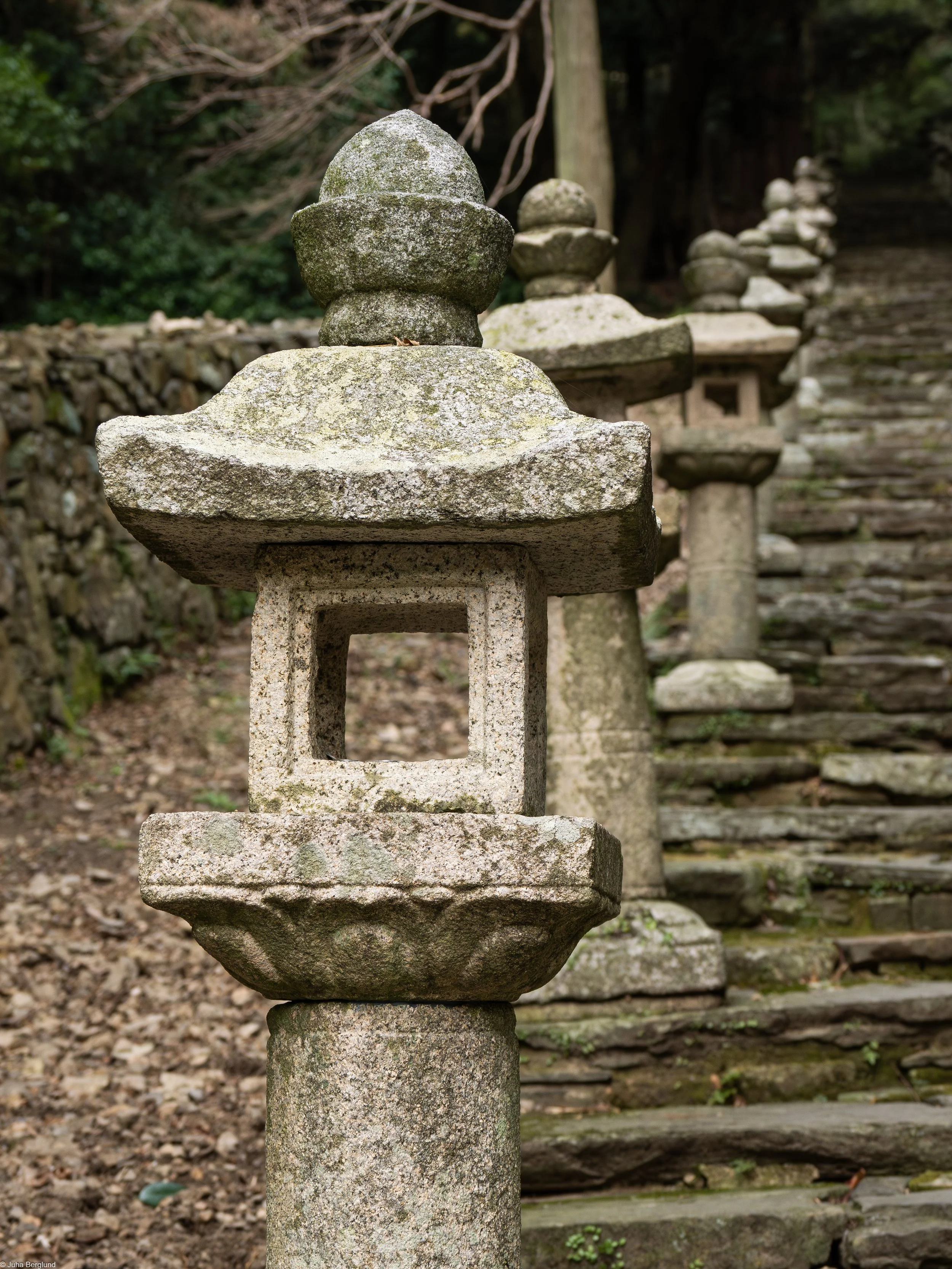
Garden of the Kaneishi Castle.
This is Komoda beach. Kublai Khan intended to conquer Japan in 1274. About 8000 Mongol warriors were met here by 80 samurai.
A samurai called Sukesada killed 25 enemies in individual combat. He, along with the others remaining, was slain in the final cavalry charge of the defenders.
Tsushima is also famous for the Battle of Tsushima, the final naval battle of the Russo-Japanese War in 1905. Admiral Tōgō and his fleet decimated the Russian Baltic Fleet.
Ruins of Ofunae.
Tsushima is very mountainous and actually quite different than how it is depicted in Ghost of Tsushima video game.
Watatsumi Shrine was one of the prettier places I’ve been to.
Lighting up the Saozaki Lighthouse was one of the quests in Ghost of Tsushima. 😎
South Korea is on the other shore, only 50km away. This observation deck is built in Korean style to, well, observe Korea.
This little ball of fur is a Tsushima Yamaneko (Tsushima Leopard Cat). They are critically endangered. We waited for at least 20 minutes while he was sleeping, hoping for a photo. Then I missed his only short glimpse towards us. What a bummer!
We stayed one night in a regular Toyoko Inn business hotel in the northern tip of Tsushima. Who would’ve known that the view from our room would be so beautiful! I spent an hour just sitting and enjoying the sunset. Yeah, maybe I am getting a bit old.
Then in the morning, I spent another hour enjoying the sunrise.
The hotel was in a quiet, remote spot, so the morning was wonderfully still. Since there were no restaurants nearby, the staff served free curry for dinner. Needless to say I loved my stay!
Back in Kanto region. Kawagoe is close to where my in-laws live. Known as 'Little Edo' for its well-preserved historic charm, it’s one of my favorite places for day walks.
The Edo-period warehouses have thick walls and sealed doors to protect goods from fire.
Kawagoe local.
Honmaru palace of the Kawagoe castle.
Now something else: sumo wrestling! We went to see a jungyō exhibition tournament in Saitama.
Sports photographers are criticised for taking crotch shots of female athletes. In all seriousness, sumo is extremely demanding on the body, and long-term wear and tear limit training and shorten wrestlers’ careers.
There was show wrestling in the intermission before the top Makuuchi division. Genuinely hilarious!
I’m beginner level when it comes to understanding sumo. Perhaps that’s why I find the bouts that last long the most entertaining. A typical sumo bout is over in an eyeblink.
After a couple of minutes, a bout starts looking more like a grill kiosk line on early Saturday morning in Hervanta, Tampere, Finland.
This is ōzeki Kotozakura. I got lucky and caught a cold during the trip. I don’t think he would have noticed me without all my sneezing and coughing.
Final match of the day: yokozuna Hōshōryū against ōzeki Kotozakura. I love Hōshōryū’s blank stare: he looks like a guy who is just about to face a 1,9m tall 180kg giant and he knows exactly what to do about it.
Last sunset of the trip was pretty.
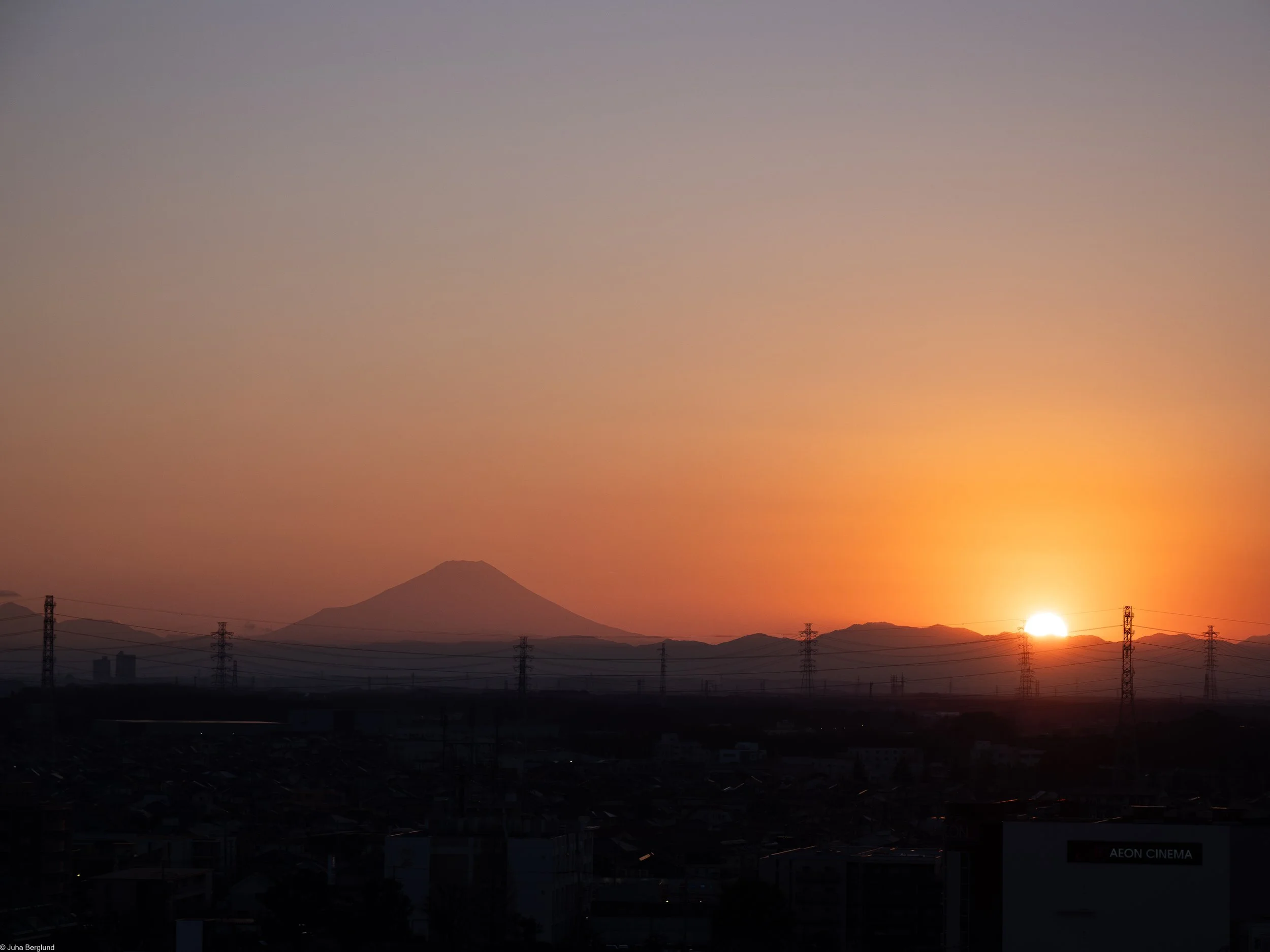
Bye bye Fuji-san and thanks for reading. Until the next time!